
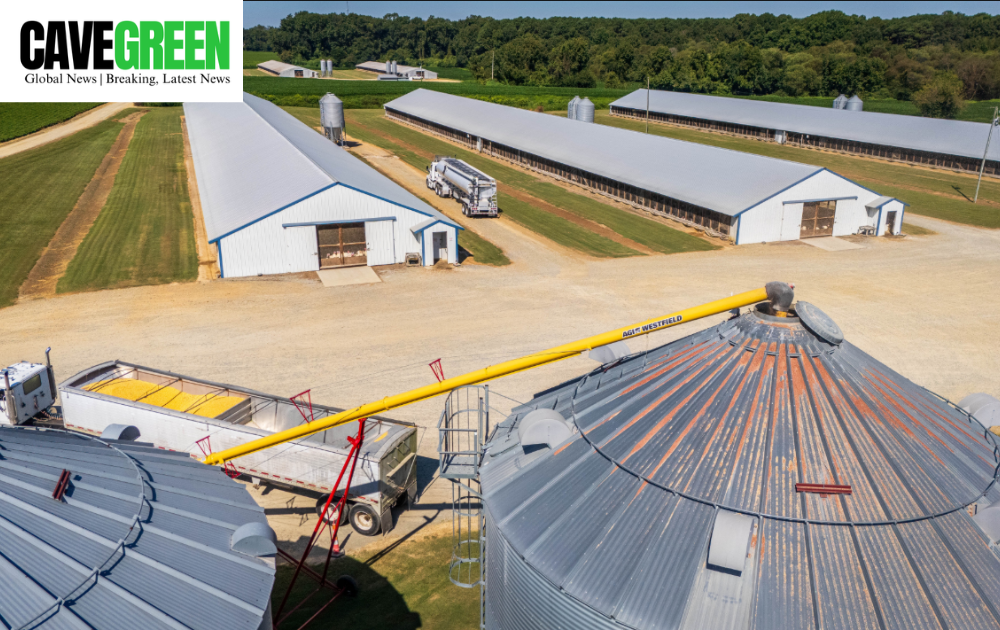
Grain storage can look calm from the outside while trouble is starting inside. A load may enter clean, test well enough, and sit for days without any obvious warning. Then one damp pocket warms up, airflow misses a dense area, or condensation forms where grain meets a cooler surface. By the time someone notices odor, clumping, insects, or mold, the easiest chance to stop the loss may already be gone.
That is why spoilage feels so unfair. Corn, wheat, rice, barley, and soybeans keep reacting to moisture, heat, and air after harvest. Modern grain silos help protect grain by supporting controlled storage conditions, but storage still has to be managed.
Spoilage Often Starts Before It Is Visible
The first signs are usually small. Fines settle into a tight patch. Grain that looked dry enough at loading turns out to be uneven. A roof or wall cools faster than the grain mass, and moisture starts moving toward that surface.
Operators often find problems only after harvest pressure slows down. Trucks are moving, dryers are running, and the goal is to get grain in safely. Still, stored grain needs attention once it is inside.
Early trouble often comes from:
- grain loaded with uneven moisture
- poor airflow through compacted zones
- fines and broken kernels collecting in one area
- condensation after temperature swings
- insects gathering in warm or damp pockets
One weak spot can change the grain around it. Mold adds heat and moisture. Insects create more damage. Clumps block air movement. Small pockets become harder to manage the longer they sit.
Why Moisture Is the Biggest Risk Factor
Moisture causes most storage problems because grain is still a biological material. It may be harvested and sold like a commodity, but it keeps responding to its environment. If it holds too much moisture, or if moisture migrates after loading, quality can drop quickly.
The tricky part is unevenness. One area may be fine while another is damp enough to cause trouble. That matters in a large storage structure, where small differences can stay hidden. Short-term holding is also different from storage through a full season.
Moisture-related risks include:
- Mold: damp grain gives mold a place to start, especially in warm spots.
- Clumping: uneven grain can bind together and make unloading harder.
- Insects: pests build faster where grain is warm, damaged, or moist.
- Grade loss: moisture problems can affect test weight, smell, appearance, and value.
- Condensation: temperature swings can create wet spots even after acceptable loading.
This is why drying, loading, aeration, and inspection all matter. They are routine work.
How Mold and Spoilage Affect the Supply Chain
Spoiled grain costs money first, then time. A load with odor, insect activity, heat damage, or poor test weight may be discounted, rejected, blended down, or redirected to a lower-value use. Either way, the seller has fewer options.
The impact does not stop at the farm gate. Elevators need predictable quality. Feed mills need safe inputs. Food processors need grain that behaves consistently in milling, mixing, cooking, or packaging. If a shipment arrives with moisture damage, the buyer may need extra testing, slower intake, more cleaning, or a different production plan.
Waste also matters. Grain takes land, seed, fertilizer, fuel, water, labor, drying, storage, and transport before it reaches a buyer. Losing quality after harvest means losing part of that investment. In a tight season, preventable spoilage adds pressure to a supply chain already dealing with weather or high costs.
The Role of Airflow and Monitoring
Stored grain cannot be ignored after loading. Airflow and monitoring give operators a chance to catch problems while they are still manageable. The goal is to notice change early.
Aeration helps manage temperature and reduce hot spots. It can also limit moisture movement when outside conditions shift. But air does not move evenly through every load by default. Fines, trash, broken kernels, uneven loading, and compacted areas can block the path.
A practical storage routine should focus on:
- Aeration timing: fans should match weather, grain condition, and storage goals.
- Temperature checks: rising heat can point to mold, insects, or biological activity.
- Moisture testing: grain should be checked before loading and watched during storage.
- Surface inspection: crusting, odor, insects, or condensation deserve attention.
- Cleaner loading: fewer fines and broken kernels help air move more evenly.
- Basic records: notes on fan use, moisture, temperature, and checks help reveal changes.
A simple routine done consistently is better than an ideal plan no one follows. The main mistake is treating storage as finished once the grain is inside.
Better Storage Protects Both Profit and Food Security
Preventing spoilage starts with basic questions. Is the grain dry enough for the planned storage period? Will air move through the whole mass, not just the easy paths? Are fines being managed before loading? Is someone checking the temperature before a problem smells bad?
Those questions protect real stored value. Grain does not have to look ruined to lose money. A small quality drop can change the buyer, the price, or the final use. A storage issue that starts in one area can grow into a wider loss if no one catches it.
Better storage also protects the supply. Farms, elevators, processors, and feed operations all depend on grain staying usable after harvest. When storage fails, waste increases, and the chain becomes less reliable.
Before grain goes into storage, operators should ask:
- Is this grain dry enough for the time it will sit?
- Will airflow reach the whole mass?
- Are fines, trash, and broken kernels being reduced?
- Can moisture and temperature be checked regularly?
- What is the plan if heat, odor, insects, or clumping appear?
The best outcome is simple. Grain leaves storage close to the condition it entered. There are fewer surprises, fewer rejected loads, and fewer losses that could have been prevented. Moisture, mold, and spoilage may be quiet threats, but they are not impossible to catch when storage is built around watching for them.
Read More: Ancient Grain in a Healthy Cereal NYT